

Wind power in China
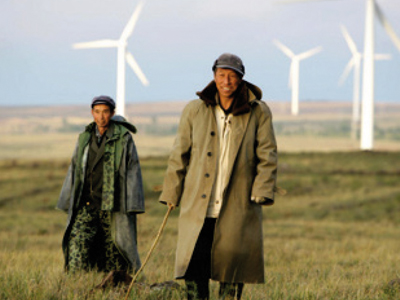
These projects reduce the emission of greenhouse gases and limits local air pollution, curtailing its negative health impacts, and create job opportunities for local workers, contractors and suppliers. It also helps drive China towards meeting its target of 15% clean renewable energy by 2020.
Clean drinking water for Kenya
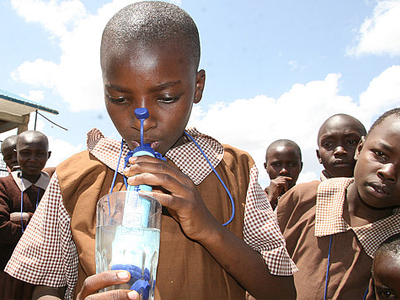 Approximately 80% of the diseases in developing countries can be traced back to the consumption of contaminated water. Investment in the purifying systems, LifeStraws® Family units from the company Vestergaard Fransen, will not only mitigate those disturbing numbers, but good for the environment as there is no need to combust non-renewable biomass such as firewood as required by conventional water purification. Click here for more information.
 Cleaner energy for India
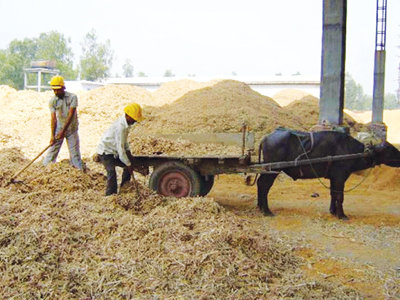 India’s air pollution is exacerbated by its heavy reliance on coal for power generation. Biomass projects are implemented in small or large industrial plants. Their aim is to utilize agricultural waste or other non-renewable biomass residues as fuel to generate power and to lower the plants’ dependence on the local grid for electricity. Click for more.